
Visit Fort Valley
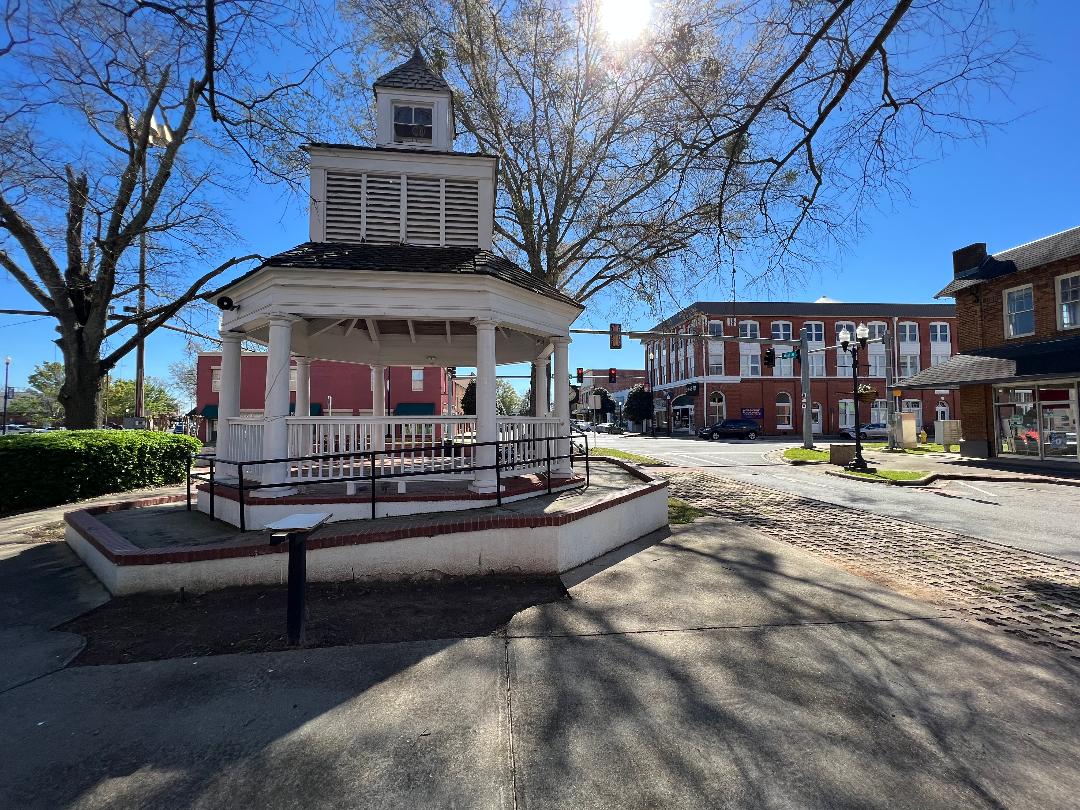
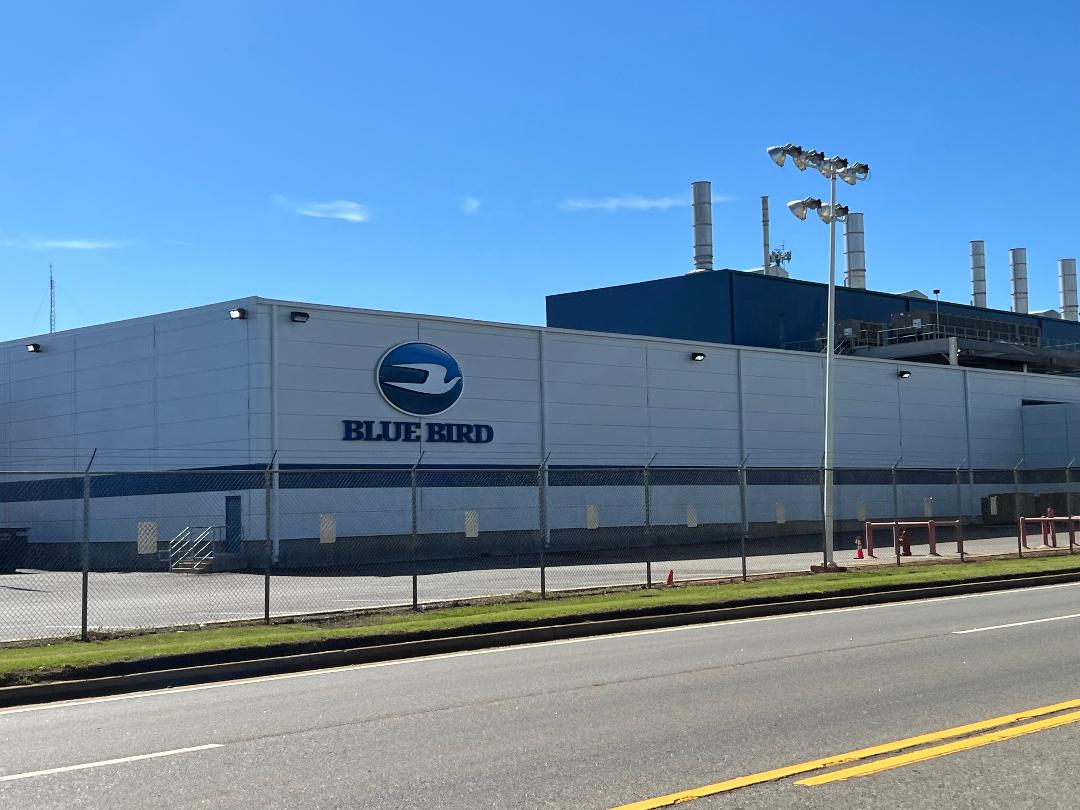
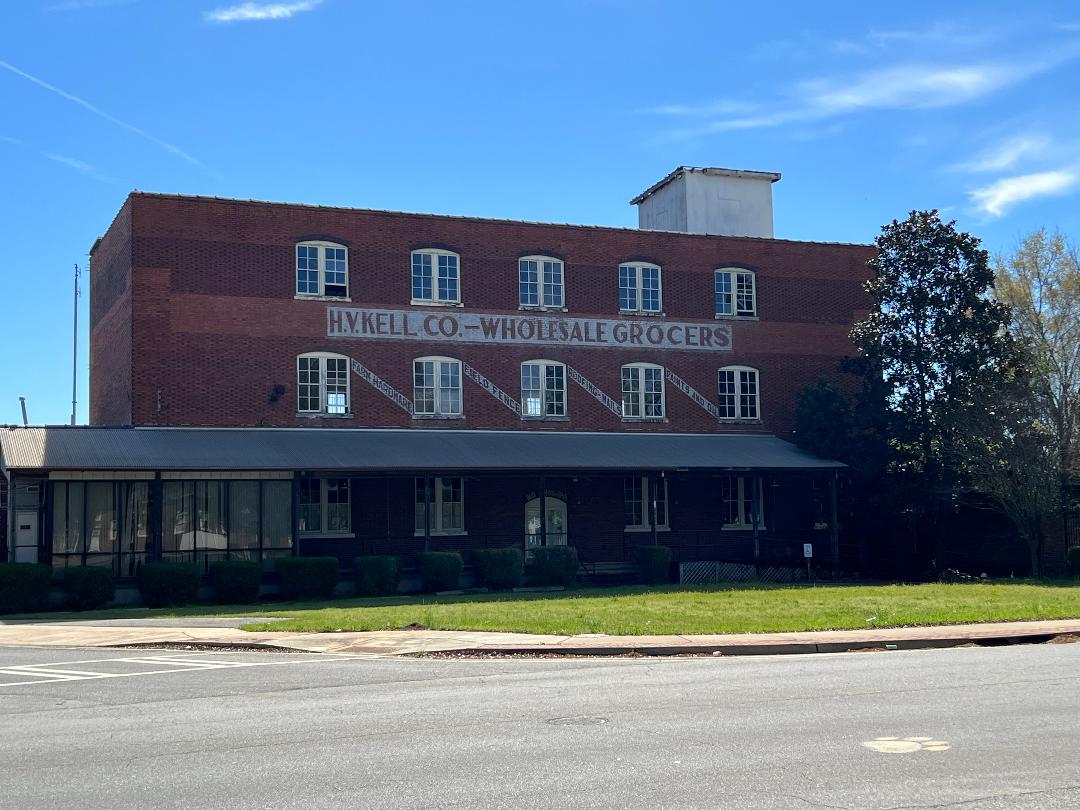
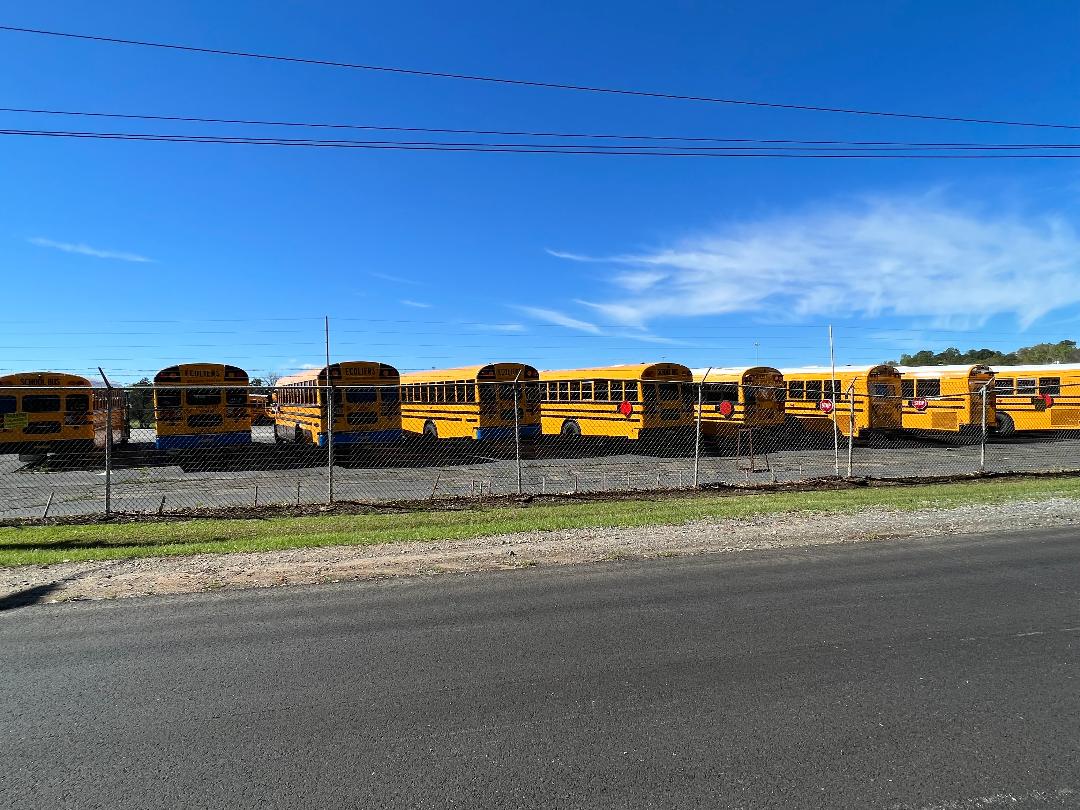
If you’ve ever seen those ubiquitous yellow school buses, they owe their famous color to the Blue Bird Corporation. That’s just one Ft. Valley claim to fame. The city began life as a Native American trading post in the 1820s. James Everett, an influential citizen, was instrumental in bringing the railroad through the community. Three of the original railroad buildings still exist and are well worth a visit by railroad fans. The Elberta peach, developed in Georgia, also helped put the area on the map.
There is an interesting variety of restaurants in Ft. Valley, from barbeque to those that serve dishes centered around the world-famous crop of peaches.
For more Ft. Valley flavors, check out:
Ft. Valley has several chain hotels available for the traveler. While the Grandeur Farm Equine Retreat has a Marshallville address, it’s only a few minutes from Ft. Valley and is well worth the trip if you want a truly unique experience.
Fort Valley State University
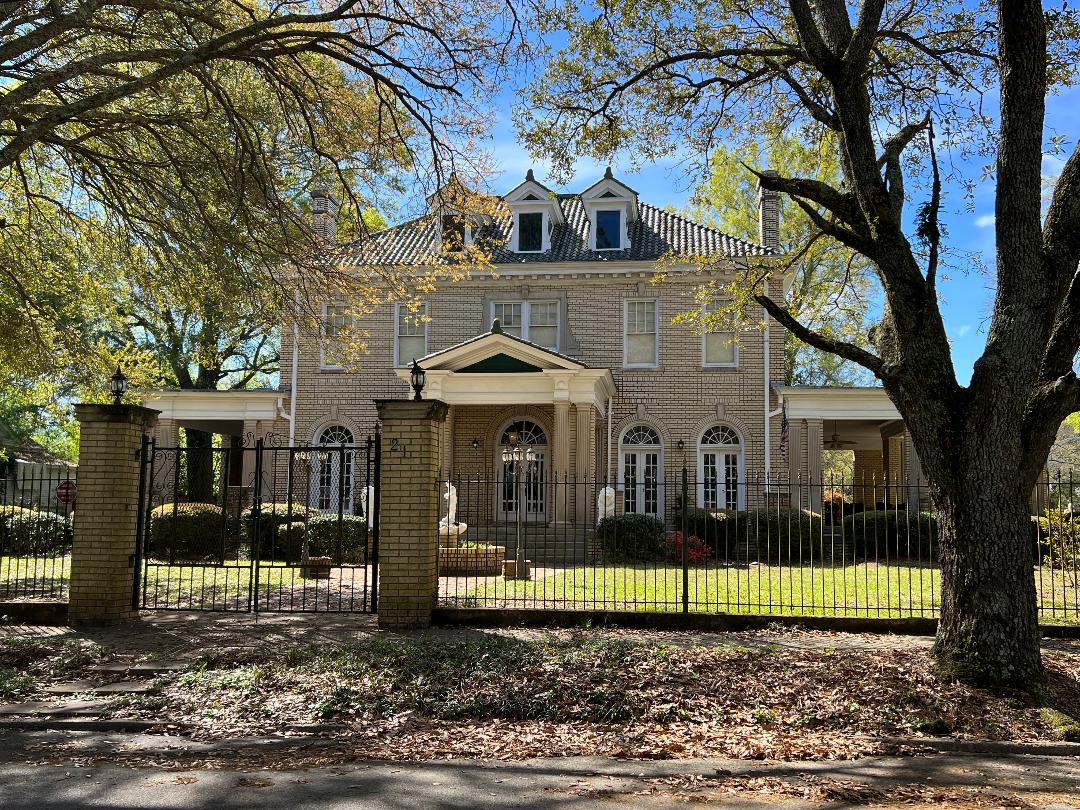
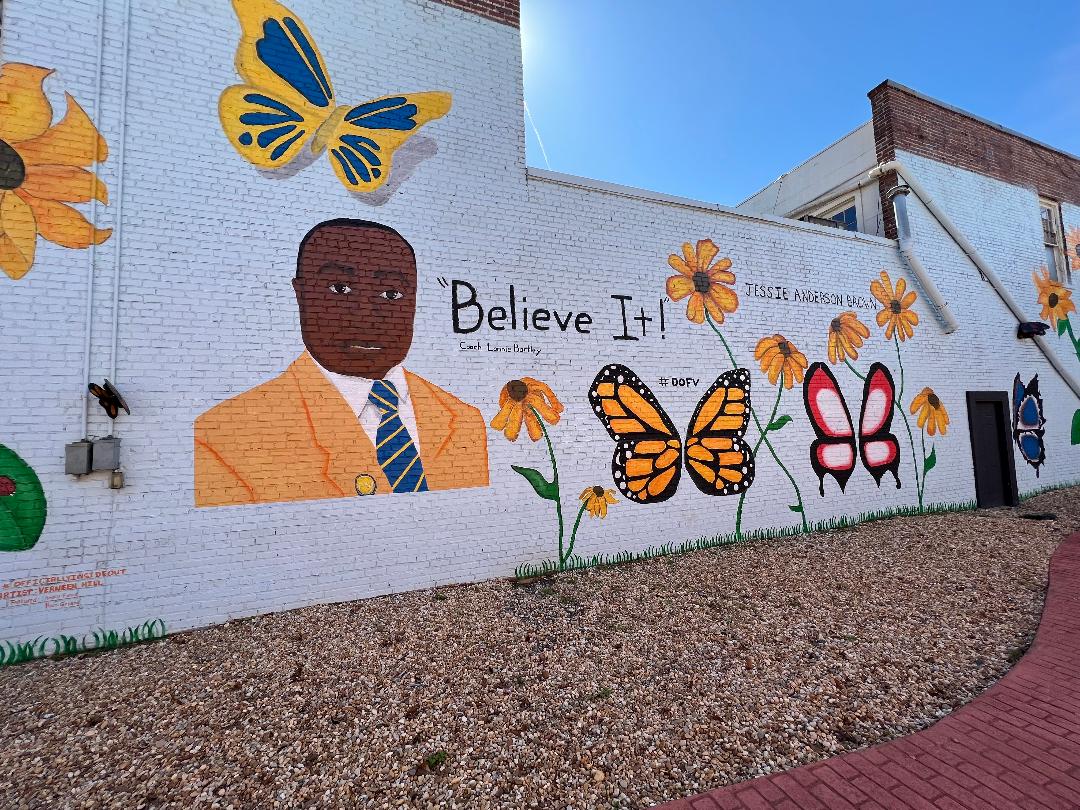
A historically black university, today’s more than 2,500 students are 90% African American. Initially named Fort Valley Normal and Industrial School, it was Georgia’s 1890 land-grant university. The colleges include the College of Arts and Sciences, College of Education, and College of Agriculture, Family Sciences and Technology. The Pettigrew Center hosts conferences, conventions, and fine arts events. The Anderson Museum and Welcome Center is the formal reception location for those visiting the university. The Anderson House, constructed in the late nineteenth century, is the oldest building on campus. It was renovated in 1918 and has been used to house university presidents over the years.
The Georgia Peach Festival
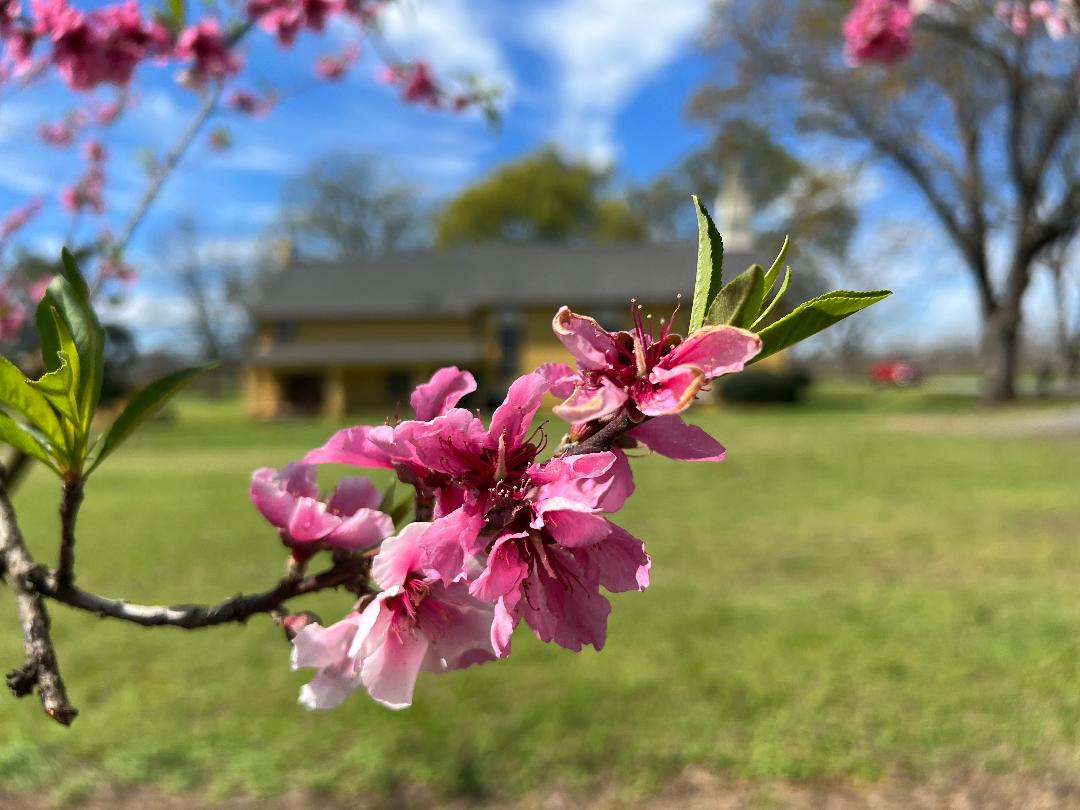
The festival celebrates the fruit that put this small community on the map. The festival lasts a week and attracts approximately 10,000 visitors each year. In June, Georgia peach fans gather to enjoy the many delightful ways the fruit is used. From 1922 until 1926, the festival observed the appearance of the first peach blossoms. It was suspended for six decades because the tiny community couldn’t handle the huge crowds. In 1986, the festival was reinstated and is now held during the harvest.
The Austin Theatre
After having served as a dry goods store, the remodeled building opened as a theatre in January 1917. The versatile building hosted community events, showed movies, and had live theatre productions. In 1925, it served as Peach County’s first courthouse. While known as the Peach Theatre, it became the county’s principal movie theatre through the late 1940s. It closed in 1968 and was occupied by a number of businesses for more than two decades. It was abandoned in 1996 but finally found its place in the history of Ft. Valley when it reopened in January 2007 as the Austin Theatre.
American Camellia Society
If you love flowers, then you’ll love every one of the thousands of varieties of camellias found on the nine acres at Massee Lane. The first camellias were planted in the 1930s as part of a private garden. In 1966, the land was donated to the American Camellia Society and became its headquarters. Over 200 varieties can be found in the T.J. Smith Memorial Greenhouse. You owe it to your senses to experience this beautiful display.
 Visit Middle Georgia